
 Search
 Members Area

Quarterly
28 Sep 2026
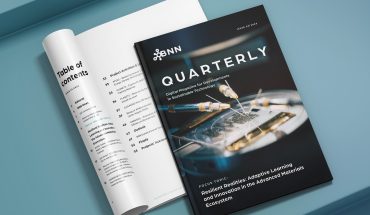
PFESS featured in BNN Quarterly 03/2026
Developing safer and more sustainable materials for redox-flow batteries – supporting renewable energy storage without PFAS and other substances of concern.

1 Feb 2026 – 31 Jan 2028
(24 months)

University of Graz – Institute of Environmental Systems Sciences

3 partners

SSbD,
Stakeholder Engagement

FFG – Nano
EHS 2025
Solar and wind power generate clean energy.
Redox-flow batteries store energy for later use.
Membranes may contain PFAS and other substances of concern (“forever chemicals”).
Safer and more sustainable energy storage for a climate-neutral Europe.
We need innovative energy storage solutions to make the best use of renewable energy. PFESS develops PFAS-free membranes for redox-flow batteries, while assessing their safety and sustainability throughout the entire life cycle.
Develop PFAS-free membrane materials for redox-flow batteries.
Compare new materials with currently used battery materials.
Assess safety and investigate potential releases and impacts on people and the environment.
Consider the full life cycle – production, use and recycling – of the materials and systems.
Consider the full life cycle – production, use and recycling – of the materials and systems.
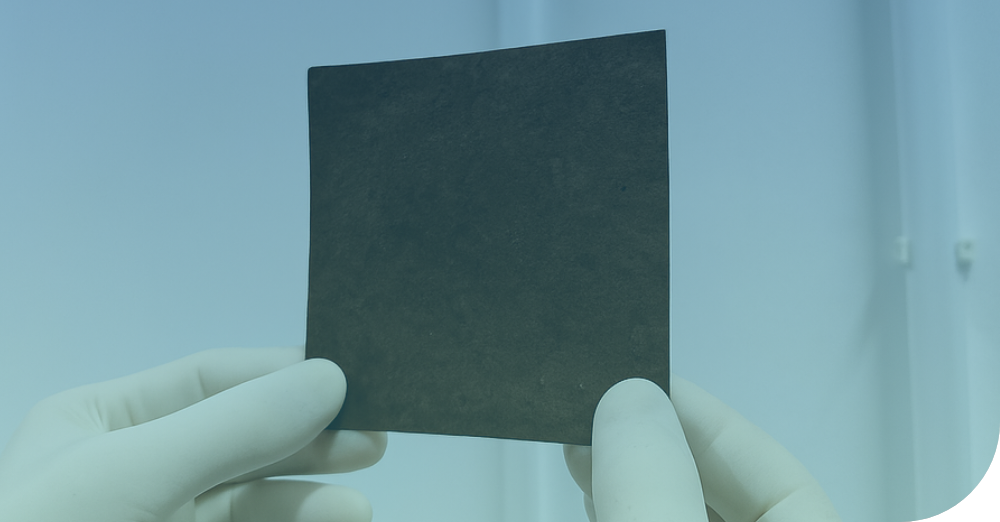
PFESS – PFAS-free membranes for energy storage and conversion systems – is a European research project focused on developing and assessing alternative membrane materials for redox-flow batteries. The project brings together expertise in materials, safety and sustainability to support the development of more sustainable energy-storage systems.
Read full project abstract.



You are currently viewing a placeholder content from Facebook. To access the actual content, click the button below. Please note that doing so will share data with third-party providers.
More InformationYou are currently viewing a placeholder content from Instagram. To access the actual content, click the button below. Please note that doing so will share data with third-party providers.
More InformationYou are currently viewing a placeholder content from X. To access the actual content, click the button below. Please note that doing so will share data with third-party providers.
More Information